
Home Remedies
Acne
Allergies
Anemia
Angina
Arthritis
Asthma
Athlete’s Foot
Backache/Back pain
Bad Breath (Halitosis)
Baldness
Bedwetting (Enuresis)
Bites (Insect)
Black Eye
Blisters
Body Odor/Sweating
Boils
Bruises
Burns
Canker Sores
Chapped/Cracked Lips
Chicken Pox
Cold Sores
Common Cold
Conjunctivitis
Constipation
Corns and Calluses
Cough
Dandruff
Depression
Diabetes
Diaper Rash
Diarrhea
Dry Skin
Earache
Earwax
Eczema
Fatigue
Fever
Flatulence
Flu
Gingivitis
Hair Loss
Hangover
Hay Fever
Headache
Heartburn
Hemorrhoids (Piles)
Hiccups
High Blood Cholesterol
High Blood Pressure
Hives
Hoarseness
Hypoglycemia
Indigestion
Insomnia
IBS
Jet Lag
Laryngitis
Low Blood Sugar
Menstrual Cramps
Migraine
Morning Sickness
Motion Sickness
Mouth ulcer
Nausea
Nosebleed
Piles (Hemorrhoids)
PMS
Psoriasis
Sinusitis
Snoring
Sore Throat
Stings (Insect)
Stress
Sunburn
Tinnitus
Toothache
Urticaria
Varicose Veins
Vomiting
Yeast Infections


Health Tips
Immunity
Skin Care
Meditation
First Aid
BMI Calculator


Meditation

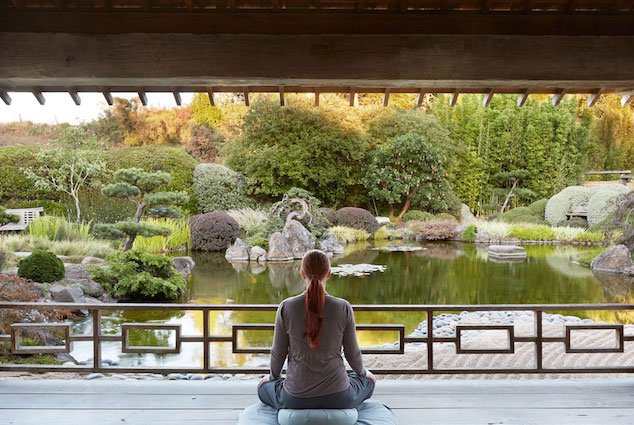
Meditation is usually defined as a state that is experienced when the mind dissolves and is free of all thoughts. Due to meditation one will have peace, compassion, good health, patience and all other glorious aspects of life. Meditation is best treatment for stress related problem and has the potential to change your life profoundly for the better.

Meditation is a safe and simple way to balance a person's physical, emotional, and mental states. It's a flexible approach to coping with stress, anxiety, many medical conditions and the day-to-day "static" that robs us of inner peace.

The use of Meditation for healing is not new. Meditative techniques are the product of diverse cultures and peoples around the world. The value of Meditation to alleviate suffering and promote healing has been known and practiced for thousands of years.
Research shows that the meditation experience is as the "relaxation response". They discovered by studying various yogis and longtime meditators that the meditation process counteracted the effects of the sympathetic nervous system-the one that wants to fight or flee. Whereas the sympathetic system dilates the pupils and gets the heart rate, respiration, and blood pressure up, the parasympathetic system, activated when we meditate, does just the opposite. Muscle tension decreases, blood pressure drops, and for some extraordinary practitioners, even temperature and basal metabolism rates drop during a prolonged meditation. Oxygen needs of the body are reduced when you are in a highly relaxed state, and brain waves change from the busy beta-waves to the blissful alpha waves.

Simple meditation technique
Meditation should be practiced daily, twice a day for best results. Many texts recommend 20 minutes, twice daily, but it's not how long you meditate; it's whether the practice "brings you to a certain state of mindfulness and presence, where you are a little open and able to connect with your heart essence," writes Sogyal Rinpoche in the "Tibetan Book of Living and dying. Benefits of Meditation
Physical benefits Psychological benefits


This information is not a substitute for professional medical or health advice, examination, diagnosis, or treatment. The site disclaims any liability for the decisions you make based on this information. For more info, See Disclaimer

© 2013 HomeRemediesForYou.com. All rights reserved.
...